The Backbone of Modern Logistics
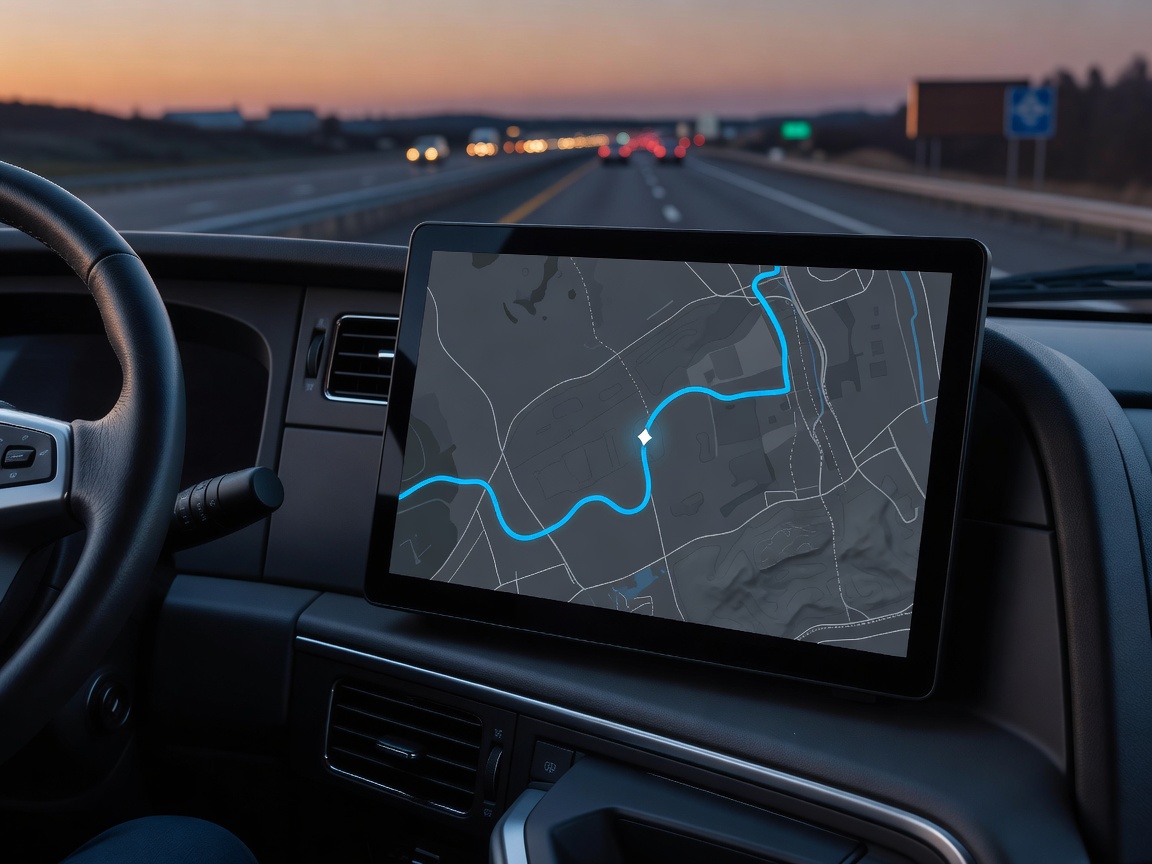
Fleet telematics acts as the central nervous system for commercial transportation. By linking heavy-duty vehicles to cloud-based monitoring dashboards via cellular networks and GPS, logistics managers gain an unblinking view into the daily operations of their trucks. This is no longer just about seeing a "dot on a map." Modern telematics units pull rich diagnostic data directly from the vehicle's engine control module (ECM), combining location data with fuel consumption rates, engine health, and driving behavior patterns.
When fleet operators deploy robust telematics infrastructure, they transition from reactive management to proactive strategy. Dispatchers can adjust routes in real time based on traffic congestion or severe weather events, mitigating delays and reducing unnecessary idling time. According to broad industry trends, reducing idle times not only lowers fuel expenditure but also drastically cuts down on carbon emissions—a vital metric for modern companies pursuing sustainability goals.
Key Components of a Telematics System
While various platforms differentiate themselves through proprietary algorithms and user interface designs, the core components of any reliable telematics system remain consistent across the industry:
- The Hardware Device: Often a small "black box" installed beneath the dashboard, plugging directly into the OBD-II or J1939 diagnostic port. This hardware contains the GPS receiver, an accelerometer for detecting harsh movements, and a cellular modem.
- Cloud Architecture: The data transmitted by the hardware must be securely ingested, processed, and stored on remote servers with minimal latency.
- The Management Dashboard: The user-facing software where fleet managers interact with the data, set up alerts, and generate historical reports.
Driver Behavior and Safety Metrics
Perhaps the most significant safety advancement brought about by telematics is the monitoring of driver behavior. By analyzing data from internal accelerometers and GPS speed logs, the system can automatically flag hazardous events such as:
- Harsh Braking: Sudden decelerations often indicate tailgating or inattention.
- Rapid Acceleration: Aggressive take-offs that burn excess fuel and increase wear on the drivetrain.
- Cornering and Swerving: Dangerous lateral movements that heighten the risk of rollover or load shifting.
- Speeding: Comparing the vehicle's actual speed against a database of posted speed limits.
Fleet managers use this data not purely punitively, but to construct comprehensive driver coaching programs. Gamification within the driver app—awarding safety scores and recognizing top performers—has proven highly effective at fostering a culture of safety. By rewarding safe habits, carriers routinely see a drop in at-fault accidents and, subsequently, a stabilization or reduction in commercial insurance premiums.
Implementation Considerations and Costs
Transitioning to a new telematics provider requires careful planning. Carriers must account for the initial hardware acquisition cost, professional installation fees to minimize vehicle downtime, and the ongoing monthly Software-as-a-Service (SaaS) subscription. Monthly fees generally scale based on the frequency of data pings (e.g., every 3 seconds vs. every minute) and the complexity of the integrations required, such as connecting the telematics data to third-party payroll or maintenance software via APIs.
Despite the upfront capital expenditure, the Return on Investment (ROI) is historically rapid for commercial fleets. The combination of recovered fuel costs, prevented engine failures, improved routing, and optimized dispatching means that most systems pay for themselves within the first year of operation. Telematics is the baseline technology upon which all other safety and compliance tools—like ELDs and smart dash cams—are ultimately built.