Beyond Standard Recording
Traditional dash cams were simple devices: they recorded hours of footage onto an SD card on a continuous loop. Finding a specific event required manual scrubbing through hours of unindexed video. The modern AI-powered smart dash cam has fundamentally changed this paradigm. By processing video feeds through edge computing directly on the device, these systems act as an ever-watchful pair of eyes capable of understanding context, recognizing objects, and identifying unsafe behaviors the second they occur.
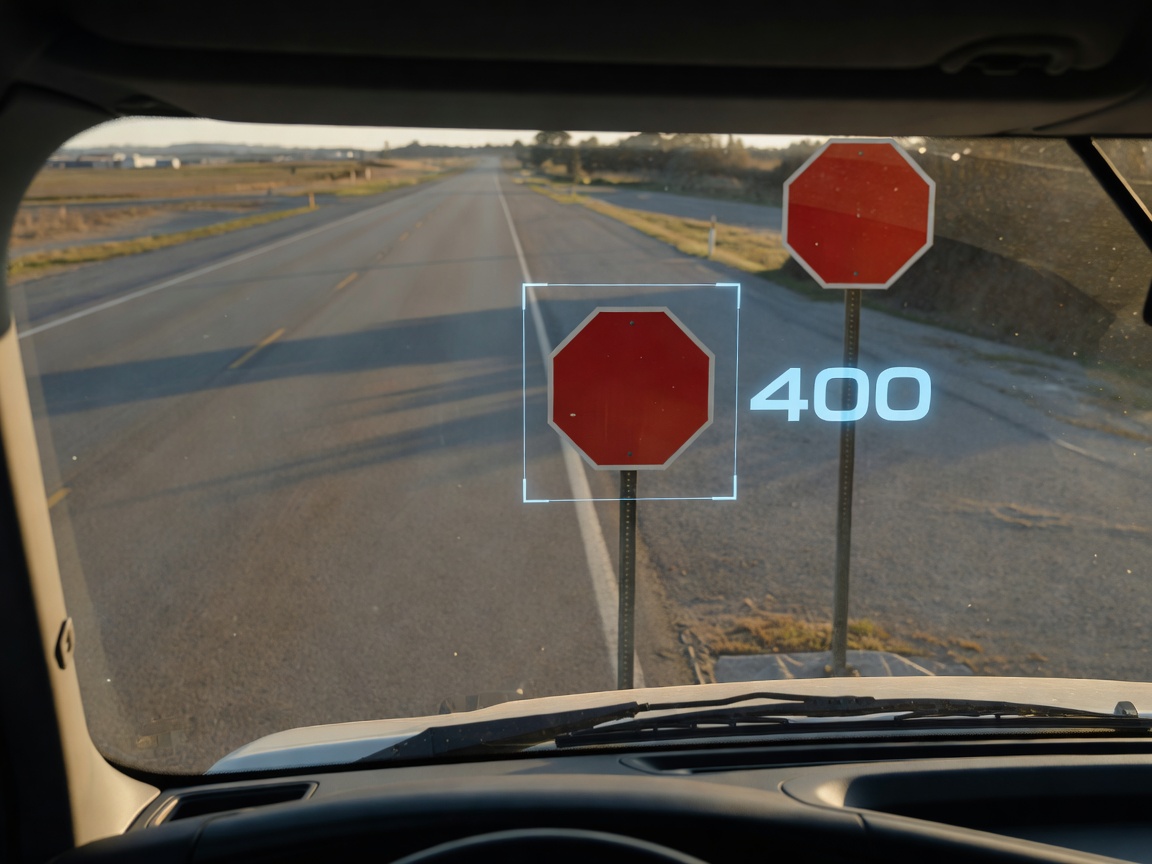
These advanced systems typically feature dual-facing lenses. The road-facing camera monitors traffic, lane markings, and road signs, while the inward-facing camera monitors the driver. By leveraging Machine Vision (MV) and Artificial Intelligence (AI), the camera doesn't just record the trip; it actively categorizes the footage and alerts drivers to dangers before they escalate.
In-Cab Coaching and Distraction Detection
Distracted driving is one of the leading causes of preventable accidents in commercial transportation. AI algorithms are trained to map human facial features and track eye movement. If a driver looks down at a mobile phone, closes their eyes for an extended micro-sleep, or turns their head away from the road for too long, the system intervenes.
- Auditory Alerts: The dash cam emits an immediate beep or voice command (e.g., "Please keep your eyes on the road") to instantly correct the behavior.
- Event Triggering: The device clips a 10-to-20-second video of the infraction and automatically uploads it via cellular network to the fleet manager's dashboard.
- Contextual Understanding: Advanced AI can differentiate between a driver glancing at the side mirrors (safe) versus staring at a phone in their lap (unsafe).
Exoneration and Liability Protection
Commercial vehicles are frequent targets for fraudulent claims and "crash-for-cash" schemes, where passenger vehicles intentionally brake-check trucks. In a judicial system where juries often harbor implicit biases against large trucking companies, high-definition video evidence is the ultimate defense. Smart dash cams provide unassailable proof of exactly what transpired. When an accident occurs, the sudden g-force registers on the camera's accelerometer, triggering an automatic upload of the incident footage directly to the cloud.
Safety managers can immediately access the video, sometimes within minutes of the crash. This speed allows claims departments to establish fault instantly. If the truck driver was not at fault, the company can decisively dismiss fraudulent litigation. If the driver was at fault, the company can quickly settle the claim, avoiding protracted and expensive legal battles.
Navigating Driver Privacy Concerns
The introduction of inward-facing cameras often meets fierce resistance from drivers who view the cab as their private workspace and, for long-haul drivers, their home. Successful implementation requires transparency and a strong company culture. Fleets must clearly communicate the technology's purpose: it is not a tool for micromanagement, but a shield against false accusations and a safety net for the driver. Many modern dash cams include privacy covers for the inward-facing lens to be used during off-duty hours in the sleeper berth, ensuring personal privacy is respected while the vehicle is parked.